Humaira Abid
Lahore, Pakistan
Bellevue, WA
On view at the Bellevue Arts Museum and online as part of the Bellwether Film Fest.
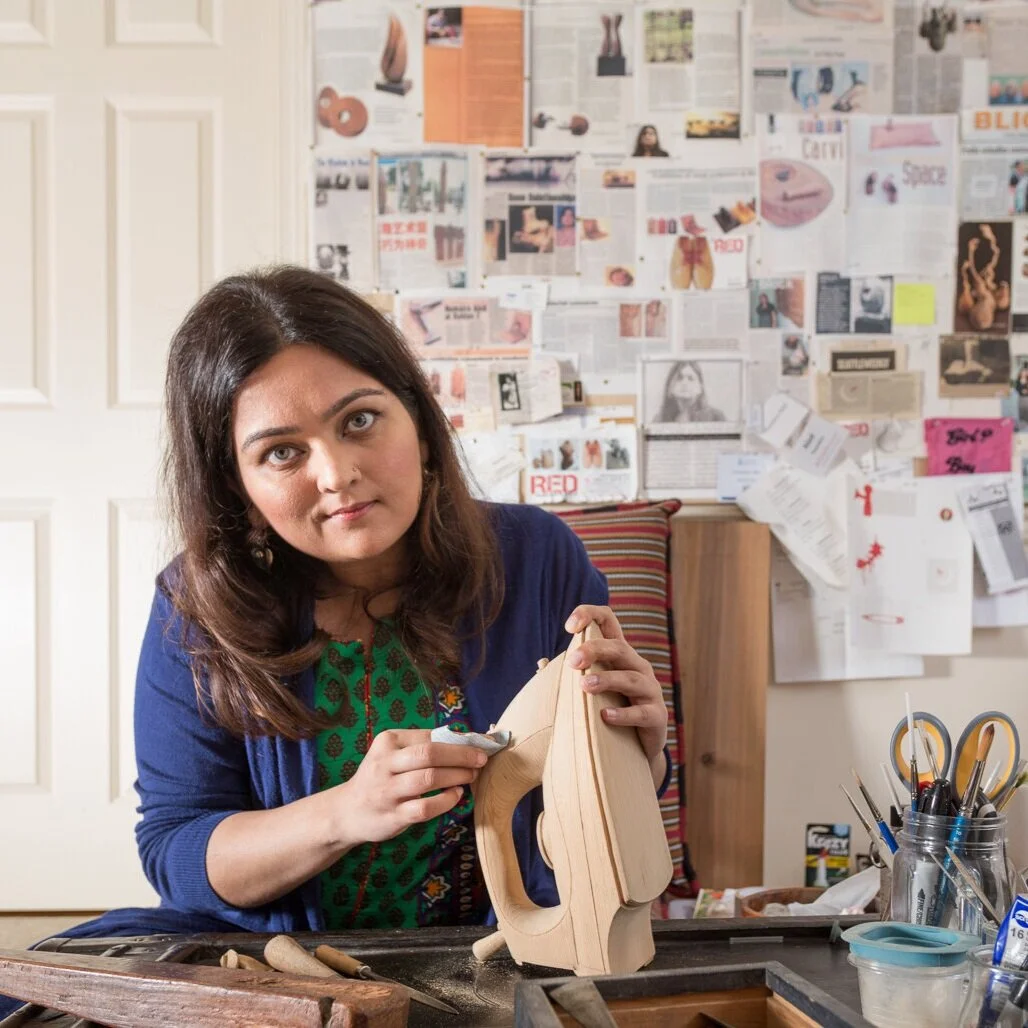
Humaira Abid gathers the ordinary objects from everyday life and transforms them into something extraordinary. Her turned and carved wood sculpture and paintings—known for their exquisite detail—depict human relationships, societal repression, and the consequences of keeping basic truths from being discussed and shared. The beauty and seductive virtuosity of her work offset her political, ironic, provocative, and even scandalous objects and installations.
Humaira Abid was born and raised in Lahore, Pakistan. She immigrated to the United States in 2008 and now lives and works in Seattle, WA. Abid received her BFA in sculpture and miniature painting from the National College of Arts, Lahore, in 2000. Her works have been exhibited in museums and galleries and documented in publications around the world and reviewed by local, national, and international news media. Abid is the recipient of numerous honors, most recently the 2019 Artist Trust Arts Innovator Award. Her work has been published in books and other print media and she has been the recipient of prestigious awards and grants. She has lectured widely and participated in residencies and symposia around the world. Two documentary features produced by the KCTS9 branch of PBS and Seattle Channel focused on Abid and her work and were both nominated for Northwest Emmy Awards. The artist is represented by Greg Kucera Gallery in Seattle.
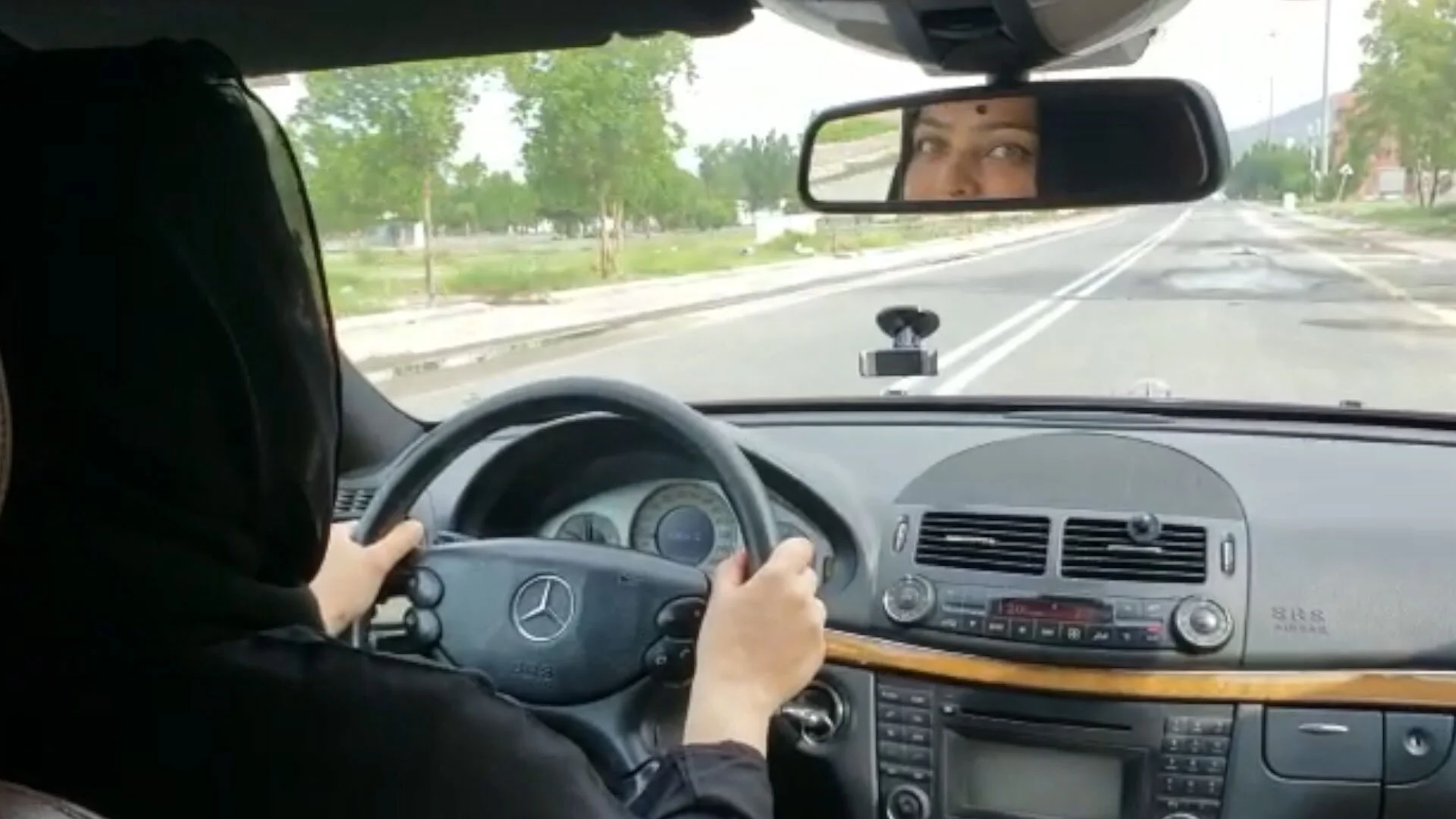
Driving in Saudi Arabia
Total running time – 1:34
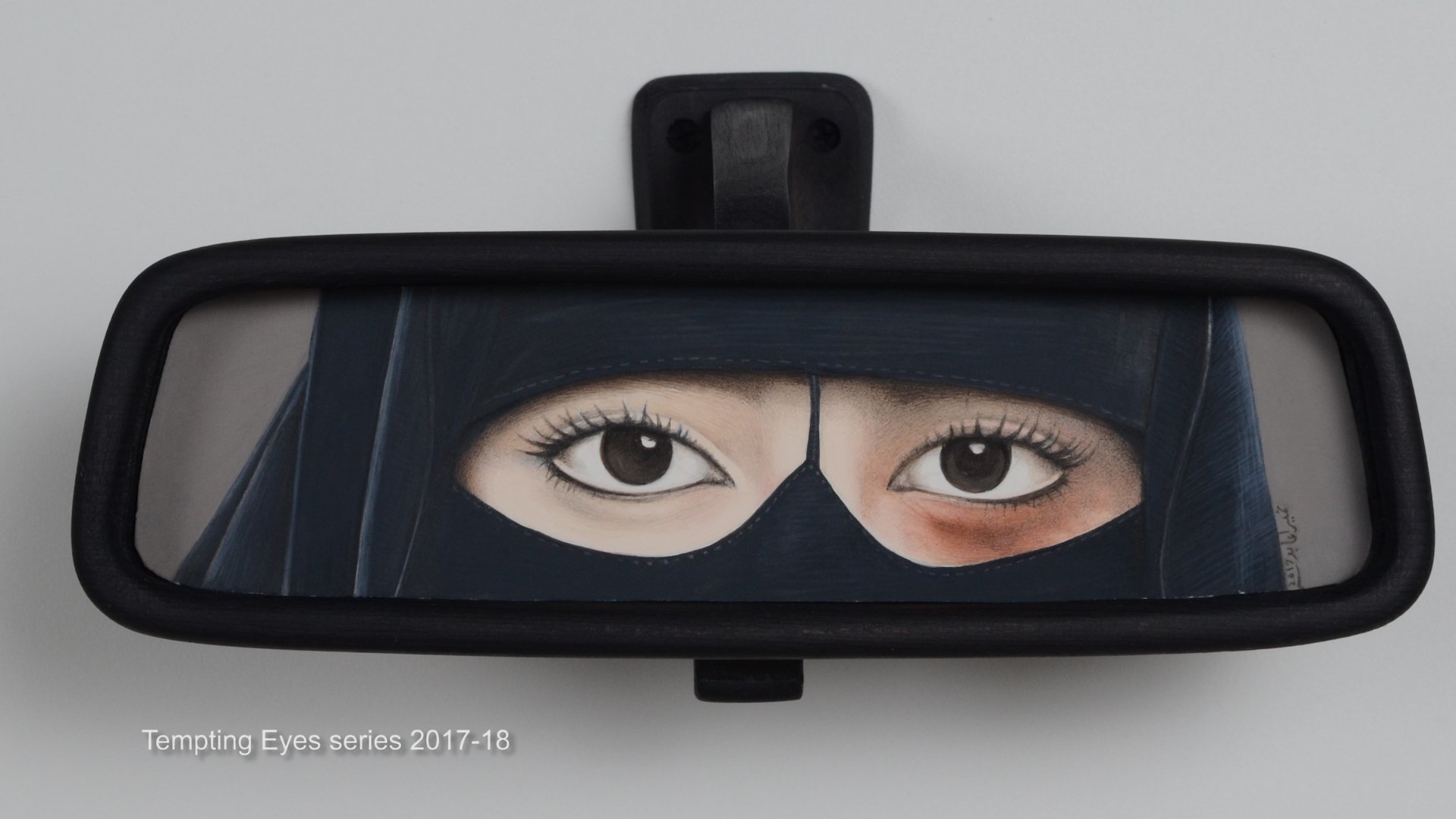
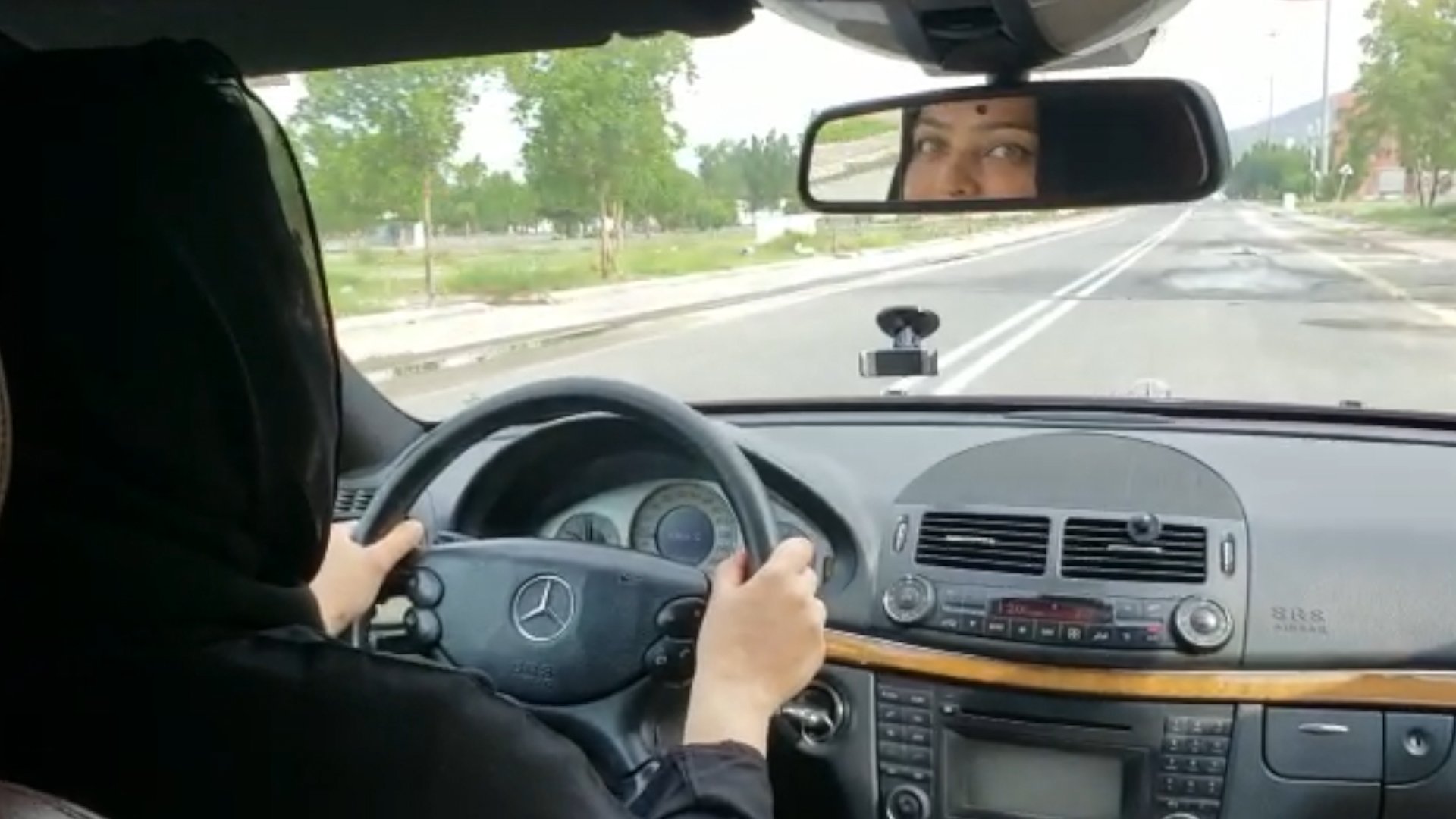
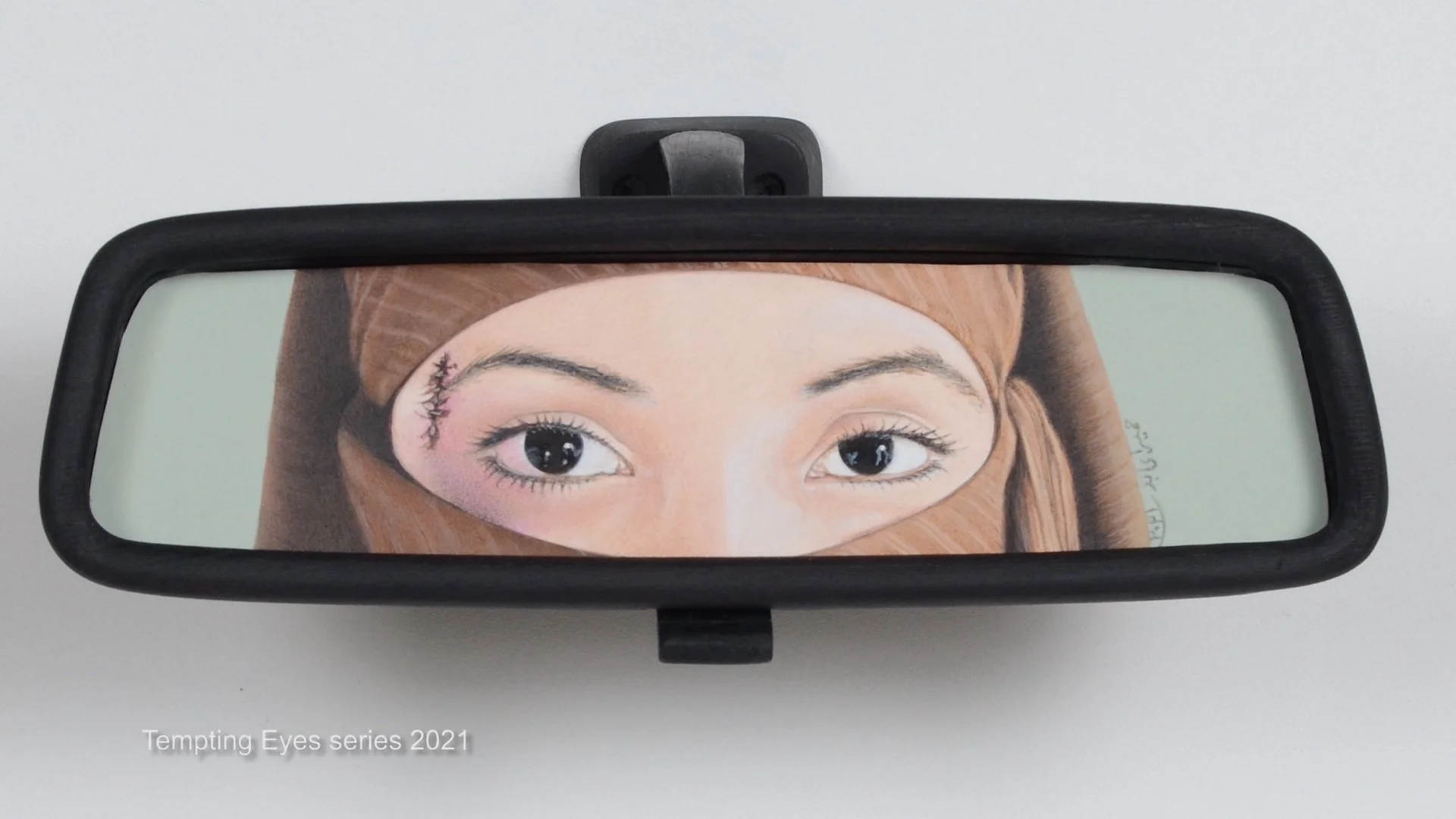
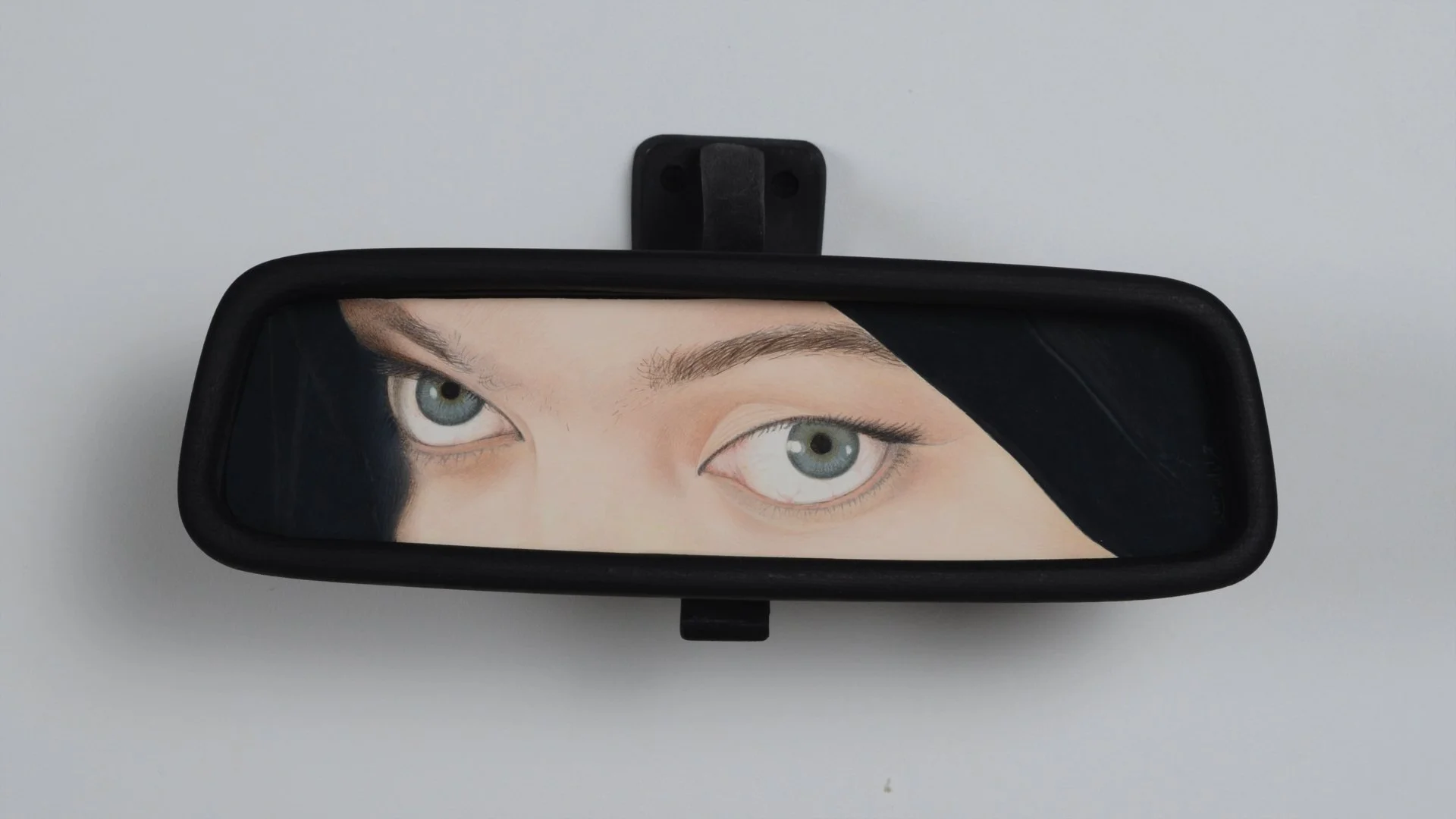
In 2018, when women got permission to drive in Saudi Arabia, I decided to go there and drive on behalf of my sister activists who fought hard for this right. Some were still behind bars and not able to experience the freedom to drive. In this video I am driving a friend’s car who was arrested a few years back for driving the very same car. Images from my Tempting Eyes series are incorporated in the video which are not just referring to driving ban on women but also the “Tempting Eyes” law in Saudi Arabia. Often eyes are the only part of the body women are allowed to show and if they make them pretty they can be charged for that. These laws (and many others) are examples of female oppression. Driving in Saudi Arabia is an attempt to bring attention to such issues and ridiculous laws implemented on women.